About South India
South India comprises five states: Andra Pradesh, Kerala, Karnataka, Telangana, and Tamil Nadu, and a Union Territory, Puducherry (Pondicherry). Some classifications would include the islands of Lakshadweep and, Andaman and Nicobar.
This peninsular region is shaped like an inverted triangle with mountain ranges on both sides, aptly called the Western and Eastern Ghats. It borders the Arabian Sea on the west, the Bay of Bengal on the east, and the Indian Ocean on the south.
South India is blessed with a diverse geography. In addition to the two mountain ranges, the Deccan Plateau forms the region's heartland, covering the states of Karnataka, Tamil Nadu, Telangana, Andra Pradesh, and Kerala.
Unlike in the North, rivers in the South depend on the rain, shrinking during the summer and expanding during monsoon. The Godavari, which flows from Maharashtra and ends in Andra Pradesh before emptying into the Bay of Bengal, is the largest river in South India. Other rivers in South India include Krishna, the second largest river, Kaveri, and Tungabadra. As for Kerala, the rivers flow westward and into the Arabian Sea. They include Periyar, Netravati, Mandovi, Tapti, and Narmada. Kerala is also home to Vembanad, the largest lake in India. It covers three districts: Alappuzha, Kottayam, and Ernakulam.
History Of South India
South India has been inhabited since the Palaeolithic Age. We have evidence of early Stone Age settlements in places like Attirampakkam in Tamil Nadu and Kurnool Caves in Andra Pradesh. We also have Neolithic and Mesolithic sites like Brahmanagari and Madurai, respectively. However, recorded South Indian history begins with the Iron Age, with sites like Sivagalai revealing iron objects like axes, swords, arrowheads, and knives placed inside burial urns.
The Sangan Age, which lasted for over 150 years, followed the Iron Age and was marked by several notable works, such as Tolkapiyam, Paripatal, and Pattupattu—all written in Tamil. This era gets its name from the Tamil Sangams, or literary gatherings that were arranged by erstwhile kings and attended by poets and saints.
The Pandyas were the earliest rulers of South India, having ruled South India since the 4th or 3rd century BCE. They were later followed by the Cheras and Cholas, who ruled Tamilakam from the 1st century. Other dynasties that ruled South India include the Pandyas, Cholas, Kadambas, Chalukyas, Satavahanas, and Ishkvakus. Some are even mentioned in epics like Ramayana, Mahabharata, and Kautilya's Arthashastra. Some kingdoms, like the Pandyas, maintained strong maritime trade with the Romans, Egyptians, Greeks, and Arabs. The Cholas of Tamil Nadu were great maritime warriors who conquered as far as Malaysia and Indonesia.
Southern India can be distinguished from the North not only by race and language; various archaeological evidence points towards a civilisation that followed a form of governance, customs, traditions, and literature far removed from those in the North. Check out our South India tour packages to learn what separates the regions south of Vindhyas.
Tidbits
- South India contributes 35% of the India's GDP
- The literacy rate of the southern states is 79.1% – higher than the national average of 77.7%
- Tamil is one of the oldest continually spoken languages in the world.
- South India is home to 7 UNESCO World Heritage Sites
- The Ranganathaswamy Temple is the largest Hindu temple in India
- Thiruvithamcode Arapally and the St Thomas Syro-Malabar Church are two of the oldest churches in India, established in the 1st century.
- The Cheraman Jumma Mosque in Kodungallur is the oldest in India, built in the 7th century.
- The Western Ghats, along with Sri Lanka, are considered one of the world's eight hottest hotspots.
- Ayurveda originated in Kerala more than 3000 years ago.
- The Western Ghats are home to over 70% of medicinal plants used in traditional and folk medicines.
- The Padmanabhaswamy Temple is the richest in the world.
Things to Know Before Visiting South India
- Respect local customs, especially when visiting temples. Pack plenty of salwar kameez, sarees, etc., for temple visits.
- Carry light cotton clothes and sunglasses, as most of South India is hot and humid. The exception is hill stations where you'll need warm clothes.
- If your itinerary includes Ayurveda treatments like Panchakarma, check with the doctor about the dos and don'ts before/after treatment, as these come with many restrictions.
- Remember to carry mosquito repellents, as some South Indian states have high dengue incidences during the monsoon.
- Be prepared for the humid weather. Carry a water bottle at all times.
- A lot of places can be prone to flash floods between October and December. Make sure you plan your South India tour packages accordingly.
South India At A Glance
| States |
Food |
Shopping |
Popular Places |
Best Time to Visit |
| Kerala |
Parotta, Beef dishes, Appam, Malabar biryani, Karimeen Pollichatu, Sadya, Puttu and Kadala Curry, Meen Moilee, Pathiri, Thalassery Biryani, Erachi Puttu, Meat ularthiyadhu, Fish curry, meat cutlets, meat mappas, Kinnathuappam |
Kasavu Sarees, Kathakali Face Mask, Coir Products, Spices, Tea, Aranmula Kannadi, Nilavilakku, Bronze utensils, Nettipattam, Chinese pickle jars |
Munnar, Kovalam, Thiruvananthapuram, Idukki, Wayanad, Alleppey, Cochin, Varkala, Thekkady, Kumarakom, Kozhikode |
October to February |
| Tamil Nadu |
Chettinad Chicken, Mutton Kola Urundai, Kuzhi Paniyaram, Parotta, Jigar Thanda, Mutton Chukka, Bun Parotta, Nalli Omelette, Kalakki, Ambur Biryani, Chicken 65, Dindigul Biryani, Filter Coffee, Banana Chips, Macaroons |
Kanchi Silk Saree, Rasipuram Silk Saree, Chettinadu Cotton Saree, Sungudi Saree, Arani Silk, Tanjore Paintings, Stone sculptures of Mahabalipuram & Mylady, Bronze Sculptures, Nachiyarpuram Lamps, Tanjore Handmade dolls, Palm baskets from Nagercoil, Temple Jewellery from Kanyakumari |
Madurai, Chennai, Rameshwaram, Srirangam, Kumbakonam, Chidambaram, Tanjore, Ooty, Kodaikanal, Mahabalipuram, Kanyakumari |
November to February |
| Karnataka |
Masala Dose, Rava Dose, Davangere Benne Dose, Donne Biryani, Chicken Ghee Roast, Chicken Sukke, Kori Rotti, Jolada Rotti, Bisibele Bhat. Neer Dose, Dharwad Peda, Mysore Pak, Maddur Vade, Ragi Mudde, Mangaluru Seafood |
Sandalwood products, Coorg Coffee, Mysore Silk, Chennapatna Toys, Rosewood, Mysore Paintings, Bidriware from Bidar, Molakalmuru Saree, Bellmetal work from Mangalore |
Hampi, Mysore, Gokarna, Bengaluru, Belur, Udipi, Mangaluru, Chikmangaluru, Shimoga, Coorg, Kabini, Murudeswara |
October to April |
| Andhra Pradesh |
Pootharakelu, Natu Kodi Pulusu, Puliyogare, Royyala Iguru, Gongura Mutton, Punugulu, Kakinada Kaaja, Pesarettu |
Pochampally Saree, Venkatagiri Saree, Mangalagiri Saree, Kalamkari Saree Kondapalli Toys, Dokra Metal Crafts, Lacquerware, Pearl Jewellery, Budithi Bellmetal |
Tirupati, Lepakshi, Araku Valley, Visakhapatnam, Vijayawada, Horsley Hills |
November to February |
| Telangana |
Hyderabad Biryani, Haleem, Qubani ka Meetha, Sarva Pindi, Ragi Sankatti, Kebabs |
Pochampally Sarees, Narayanpet Sarees, Durries from Warangal, Bidriware, Banjara Embroidery, Dhokra Art, Batik Painting, Cheriyal Art, Gadwal Saree |
Hyderabad, Golconda, Warangal, Adilabad, Nizamabad |
November to February |
| Pondicherry |
French food, Creole food, Fusion food – meen puyabaise, prawn Malay curry, fish assad |
Korai Mats, Candles, Pondicherry Bommai, Terracotta |
Auroville, Aurobindo Ashram, Beaches, Manakula Vinayagar Temple |
October to February |
Call or send a message on Instagram to learn more about our South India tour packages. Our tour planners will be happy to help.
Top Reasons To Choose Our South India Tour Packages
From scenic beaches to beautiful backwaters and grand temples, there are hundreds of reasons to visit Southern India. But if you are looking for a unique holiday experience, here are a few reasons to choose South India tour packages.
Spiritual & Religious Destination
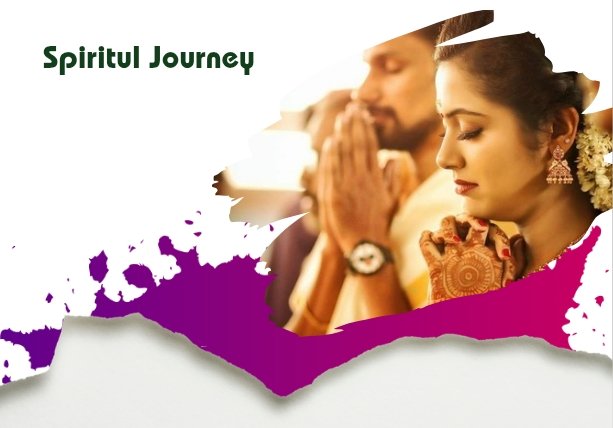
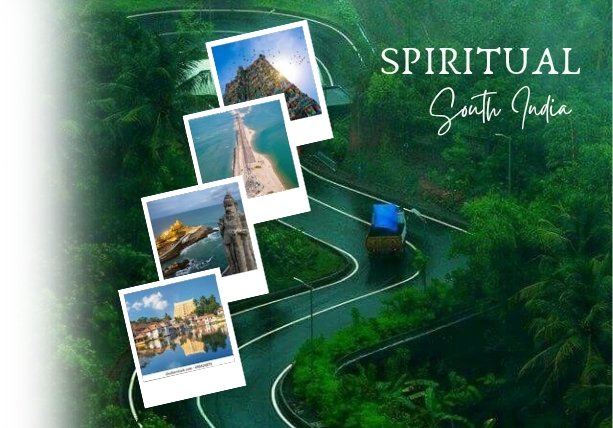
The entire landscape of southern India is dotted with splendid temples, which serve as a treasure trove of ancient Indian culture. A spiritual South India tour package will leave you in awe of the country's ancient wisdom. Places like Kancheepuram, Madurai, Tirupati, Udipi, Kaladi, Guruvayoor, and Sringeri are replete with monuments and shrines that have attracted spiritual seekers for thousands of years.
Some of the famous pilgrimage cities covered in your South India tour packages include:
Tirupati, Andra Pradesh
This temple is considered the earthly abode of Lord Vishnu or Bhooloka Vaikuntam and is revered as one of the holiest places for Vaishnavites. Millions of Indians from across the world visit Tirupati as the deity Lord Balaji is known to fulfil the wishes of his devotees. In return, people express gratitude by fulfilling any vows they may have taken, including offering money, gold, and even hair.
Ramanathaswamy Temple, Tamil Nadu
This is one of the Char Dhams, or four pilgrimage sites that Hindus may visit to attain moksha. It is believed that Lord Rama installed the original sand deity of Lord Shiva when performing the Brahma Hathi dosha puja to absolve himself of killing Ravana, a Brahmin. Hindus also believe one must visit Rameswaram after visiting Kashi to attain moksha. They aren't just places of worship but encapsulate a rich tapestry of art, architecture, history, social practices, and even folklore.
Udipi Krishna Temple, Karnataka
The presiding deity of this temple, Lord Balakrishna, attracts thousands of devotees every day but cannot be seen directly. He can be seen through a 9-holed window called Navagraha Kitiki. Sri Madhvacharya established the temple and adjoining matt (monastery) in the 13th century.
Meenakshi Amman Temple, Madurai
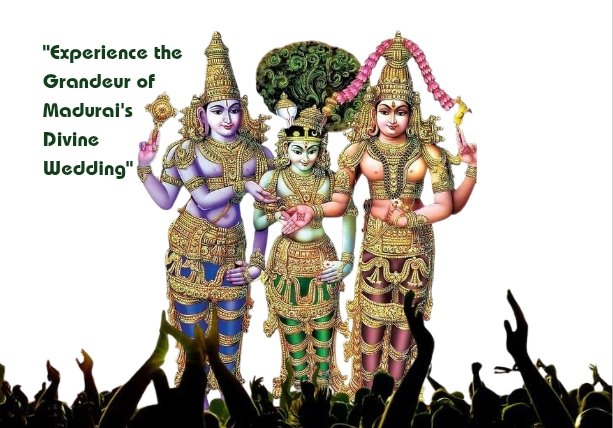
The temple is dedicated to Goddess Meenakshi, a manifestation of Goddess Parvati. It receives over a million visitors annually, but it is especially crowded during the 10-day Chithirai Thiruvizha, during which Goddess Meenakshi weds Lord Sundareshwarar, believed to be a manifestation of Lord Shiva. The temple is famous for its Golden Lotus Lake and the 1000-pillared hall.
Sabarimala Sree Dharma Sastha Temple, Kerala
This is one of the most revered temples in South India, dedicated to Lord Ayyappan, believed to be the child of Lord Shiva and Mohini, a female manifestation of Lord Vishnu. But you cannot visit the temple like any other regular tourist. Male devotees and female devotees below the age of 9 and above 50 can visit the temple after a 41-day rigorous penance involving eating only vegetarian food, bathing every day, etc. This is because the presiding deity is believed to be celibate and away from all worldly pleasures.
Guruvayur Shri Krishna Temple, Kerala
This famous Krishna temple is open to Hindus only but is an important Vaishnavite shrine. The presiding deity is Lord Guruvayurappan, a young form of Lord Krishna. It is believed that visiting the temple brings prosperity and happiness in a person's life.
Wildlife Wonders
The majestic Western Ghats straddle through 3 of the 5 southern Indian states, viz., Kerala, Karnataka, and Tamil Nadu. These mountains promise to deliver a memorable vacation to wildlife enthusiasts through scenic tea plantations, amazing wildlife encounters, picturesque train journeys, and challenging hiking trails. Andhra Pradesh, too, is replete with wildlife, thanks to the Eastern Ghats, which is home to a large variety of flora and fauna and several endangered species. Some popular wildlife experiences in our South Indian tour packages include:
Periyar Wildlife Sanctuary, Kerala
This tiger reserve encompasses the Cardamom and Pandalam Hills of the Southern Western Ghats. The park has several rare and endangered species like the Bengal tiger, barking deer, leopards, mouse deer, and monitor lizards. You can stay at one of the many cottages or jungle camps within the park to enjoy nature walks, bamboo rafting, trekking, tiger trail walking, jungle scouting, animal safari, night trekking, and more.
Mudumalai Wildlife Sanctuary, Tamil Nadu
This sanctuary is situated in the eastern hills of the Western Ghats in the Nilgiris District of Tamil Nadu but shares its boundaries with the forest regions of Karnataka and Kerala. It is home to several rare and endemic species, such as the Malabar grey hornbill, Malabar laughing thrush, and white-rumped vulture, and other animals like the Indian gaur, Bengal tiger, and sloth bears. Some activities you can enjoy at one of the many resorts include jungle safari, trekking, birdwatching, elephant safari, and visiting the Theppakadu Elephant Camp.
Nagarhole National Park, Karnataka
This sanctuary is on the foothills of the Western Ghats and is part of the Nilgiri Biosphere Reserve, covering the Kodagu and Mysore districts. The sanctuary is named after the Nagarhole River and is home to several animal and plant species, such as tigers, sloth bears, sambar, mouse deer, and striped hyena. You can stay at one of the many resorts within the sanctuary to enjoy boat or jeep safaris, trekking, nature walks, bird watching, and coracle riding.
Koundinya Wildlife Sanctuary, Andhra Pradesh
Although not as popular as its western counterpart, the Eastern Ghats are equally mesmerising and home to an abundant wildlife population. This national park is part of the Palammer-Kuppam forest ranges in the Chittoor District. It is home to several animal species like the Asian elephant, yellow-throated bulbul, sloth bear, jungle fowl, and starred tortoise. You can stay at a resort within the park to enjoy elephant safaris, bathing in one of the many waterfalls, bird watching, and trekking.
Kudremukh National Park, Karnataka
This national park is part of the mid-western regions of the Western Ghats and covers the Chikmagaluru, Dakshina Kannada, and Udipi districts. It gets its name from the Kudremukha Peak, meaning horse's face. The park is home to several waterfalls, picturesque peaks, and a wide range of animals like leopards, endangered macaques, langurs, tigers, and flying squirrels. Some activities you can enjoy while staying at a resort include trekking, safari, bathing in the many waterfalls, and nature walks.
Beautiful Hill Stations
The magnificent Western and Eastern Ghats have led to a natural landscape with lush greenery and cool climates that once offered respite to the British officers of the East India Company. These hill stations have continued to maintain their colonial charm and indigenous heritage. Some of the places you must visit with our South India tour packages include:
Ooty, Tamil Nadu
Ooty, or Udhagamandalam, is a part of the Nilgiri District and a former British summer resort. It is dubbed the Queen of Hills and is famous for its picturesque peaks, wildlife sanctuaries, and tea plantations. The best time to visit Ooty is between October and March when the cool temperatures are ideal for sightseeing.
Kodaikanal, Tamil Nadu
This beautiful hill station is part of the Dindigul District and a popular holiday destination for honeymooning couples. The town is famous for its waterfalls, which are believed to have medicinal value. Besides waterfalls, you can enjoy biking, trekking, boating, and walking along Coaker's Walk. The best time to visit Kodaikanal is between October and February.
Munnar, Kerala
Munnar is part of the Idukki District and is famous for its tea estates, spice plantations, and stunning wildlife. You can buy cardamom, pepper, tea, and vanilla in Munnar. The best time to visit this beautiful hill station is October and February, when the weather makes it ideal for trekking and sightseeing.
Coorg, Karnataka
Coorg, also called Kodagu District, is one of Karnataka's most famous hill stations. It is home to three wildlife sanctuaries, Brahmagiri, Talakaveri, and Puspagiri, and the Nagarhole National Park. You can buy coffee, spices, and chocolates in Coorg. The best time to visit the hill station is from October to March.
Wayanad, Kerala
This beautiful mountainous district is famous for its virgin forests and verdant paddy fields. In fact, Wayanad is derived by combining the terms Vayal and Nadu, meaning paddy country. Tourists visit the town to explore the Edakkal Caves, the many waterfalls, and the Wayanad Wildlife Sanctuary. The best time to visit Wayanad is between November and February.
Yercaud, Tamil Nadu
Yercaud is one of the most famous hill stations in the Eastern Ghats and part of the Servarayan Hills. The hill station is famous for its lush greenery, orange groves, coffee and spice plantations, and beautiful viewpoints. The best time to visit Yercaud is between October and June when the weather is pleasant and perfect for sightseeing.
Kolli Hills, Tamil Nadu
The hill station is part of the Kolli Malai range and is in the Eastern Ghats. It is famous for its waterfalls, caves of ancient saints, Bogar and Agastya, and medicinal plants. Some activities you can enjoy here include trekking, nature walks, camping, and bathing in the many waterfalls. The best time to visit Kolli Hills is between October and February.
Araku Valley, Andhra Pradesh
The Araku Valley is in the Visakhapatnam District and is famous for its coffee plantations, streams, gardens, and lush green forests. The hill station is home to the Anantagiri and Sunkrimetta reserved forests. The best time to visit Araku Valley is between October and March.
Rich Cultural Heritage
South India has a rich culture, reflected through its festivals, traditions, religious practices, clothing, and even everyday behaviour. Being an agrarian society, most festivals are celebrated around harvest. For instance, Tamil Nadu's biggest festival, Pongal, is celebrated to thank the Sun for a bountiful harvest. Ugadi and Sankranti are similar festivals celebrated in Andhra Pradesh and Karnataka, respectively, around the same time as Pongal.
Onam is an important harvest festival during which people pray for a good harvest after the rainy season. Vishu is another festival celebrated in Kerala and Tamil Nadu (as Puthandu) to mark the beginning of a new lunar year.
As for the architecture, Hampi in Karnataka is famous for its ancient ruins, monuments, and temples built in the 14th century along the banks of the Tungabhadra River. The Hoysalas were an important dynasty in Karnataka. They built the famous Channakeshava Temple in Belur, the Hoysalesvara Temple in Halebidu, and the Kesava Temple in Somnathpura. There are several other temples, such as the Shore Temples of Mamallapuram and the Brihadeeswara Temple in Tanjore.
The Thrissur Pooram Festival in Kerala was named the most spectacular festival by the UNESCO. Another important cultural heritage of Kerala is the Aranmula mirror, a handmade mirror made from an alloy of copper and tin. The art of making this mirror is passed down through generations and is a closely guarded secret.
When in Mysore during Dasara, don't forget to miss the Navarathri Festival that ends with the grand procession of the Goddess Chamundeshwari.
Dance is another expression of South Indian heritage. Some popular and classical dance forms originated in South India include Kathakali and Mohiniattam from Kerala, Bharatanatyam from Tamil Nadu, and Kuchipudi from Andhra Pradesh. Oppana is another dance form performed during Mappila weddings in Kerala.
Charming Coastal Cities
Peninsular India is famous for its coastal cities, with their picturesque beaches and historical sites, offering a wonderful seaside experience everywhere you go. Some of these are blue-flag beaches and are known for their unique cuisine. Here are some popular coastal cities covered in our South India tour packages.
Varkala
Varkala is close to Thiruvananthapuram, Kerala's capital. Unlike other popular tourist hotspots, Varkala offers a peaceful retreat with resorts offering yoga, Ayurvedic treatments, and meditation. The beach is also great for adventure sports like paragliding, parasailing, and stand-up paddle boarding. The nearby Kappad Beach is a blue flag destination.
Kanyakumari
This coastal town is the southernmost point of mainland India. Besides the many quaint beaches, the city is famous for the Vivekananda Memorial and the Thiruvalluvar Statue. A recent addition is the glass bridge connecting the memorial to the statue. Mahatma Gandhi's ashes were spread in the Kanyakumari waters, and a memorial was built in his honour here.
Kovalam
This seaside resort in Thiruvananthapuram was once a quaint fishing village famous for its picturesque beaches, heritage resorts offering cultural experiences, and adventure activities like surfing and parasailing.
Pondicherry
This coastal city is often called the Goa of the South, thanks to its beautiful and pristine beaches and colonial buildings that reflect its French history. Pondicherry is also famous for Auroville, an experimental township where women and men from around the world live in harmony.
Gokarna
This small temple town in Karnataka is famous for its beautiful beaches and breathtaking landscapes. Gokarna has always been a revered spiritual destination among the Hindus, where Lord Shiva is worshipped in the form of Athmalinga. Some of the popular beaches in Gokarna include Om and Kudle. The Jog Falls are nearby and a must-visit destination.
Kochi
Also called Cochin, this beautiful coastal city is a major port in Kerala and often called the Queen of the Arabian Sea. Besides the beautiful churches, Kochi is famous for its spice markets, beaches, Chinese fishing nets, and lip-smacking cuisine.
Visakhapatnam
Visakhapatnam is the most populous and largest city in Andhra Pradesh. It is famous for its beaches, which offer a serene landscape, ancient temples, museums, and delicious cuisine.
Mouthwatering Cuisine
The distinction between North and South India is especially evident when it comes to food. Unlike in the north, where wheat and dairy dominate the cuisine, South Indian food is primarily coconut and rice-based. It also uses milder spices like cinnamon, fennel, and poppy seeds.
While rice is the primary carb in most areas, some places like southern Karnataka include millets like jowar, bajra, and ragi as their carb source. Similarly, seafood is an important protein source in coastal regions, while interiors like Chettinad and North Karnataka prefer mutton. Meanwhile, Andhra cuisine is known for its dry podis (dry powders mixed with rice), chutneys (called pachadi), and red chillies. Telangana cuisine is famous for its balanced flavour profile and use of millets like jowar which are often eaten with mutton and chicken. Some of the popular foods you must try with our South Indian tour packages include
- Breakfast Items: Idli is perhaps the most popular breakfast item across South India. This is followed by dosa – pronounced dosai in Tamil Nadu, dosha in Kerala, dose in Karnataka, and dosa in Andhra and Telangana. Kerala is famous for its appam, puttu, and steamed tapioca, eaten with Bengal gram curry, chicken/mutton stew, and various chutneys. Fish head curry is also a popular side dish eaten with idli, dosa, and other breakfast items in Kerala. When in Tamil Nadu, don't miss the Chettinadu kuzhipaniyaram, idiyappam, vellai panniyaram, adai, upma, parotta, and Pongal. Each of these is eaten with a variety of chutneys and ubiquitous milagai podi. The Telugu people love their pesarettu and upma while the Kannadigas love masala dose, benne dose, and ragi balls.
- Lunch Items: Rice forms the primary carb source across most of South India, although millets like jowar, bajra, and ragi are common in interiors of Karnataka, Andhra Pradesh, Telangana, and Tamil Nadu. Kerala is famous for its sadya, where food is served on a banana leaf with rice served with several gravies and a side of several instant pickles called pachadis and kichadis. The meal then ends with several payasams or kheer. Tamil Nadu is famous for its various saadams like curd rice, tomato rice, lemon rice, and coconut rice. The Telugu people are famous for their various sadams like lemon rice and puliyogare.
- Snacks: Wada is definitely the most popular snack across South India. This snack has several variations – medu vada, made from urad dal; parippu vada, made from Bengal gram; keera vada, made from Bengal gram and leafy greens; maddur vada made from rice flour; and bonda, made from potatoes. Dry snacks like murukku, thattai, ribbon pakoda, banana chips, jackfruit chips, etc. are famous. You'll also find famous snacks in particular communities. For instance, the Kerala muslims are famous for their kinathu appam, elanji, and vattaiappam.
Ayurveda Wellness Treats
Ayurveda originated in Kerala but has been practiced across India since the 2nd century CE. It is believed to have been passed on to the sages by Brahma and mentioned as shlokas in several vedas. The sages Agnivesha and Charaka, along with other scholars, compiled these hymns into text. Several texts are used as references in Ayurveda, viz., Charaka Samhita, Sushrusha Samhita, and Ashtanga Samhita.
Unlike Western medicine, which treats symptoms, Ayurveda focuses on holistic healing and on maintaining balance and harmony between the body, mind, and spirit. Ayurveda is chemical-free and hence does not produce side effects. Ayurveda focuses on removing toxins and internal cleansing.
There are several Ayurveda wellness centres across Kerala and some places of Tamil Nadu that focuses on holistic wellness. Popular Ayurveda treatments include abhyanga (massage), panchakarma, dhara (pouring medicated oil over the body), vasti (enema), and pichu (applying oil-soaked pad on specific parts of the body).
Kottakkal in Kerala is one of the most famous places for Ayurveda. It is home to Arya Vaidya Shala, one of the oldest and most renowned institutions for Ayurveda.
Heritage Cities
South India is home to several heritage cities that have been inhabited for thousands of years. These cities are home to ancient temples, palaces, and forts, attracting millions of tourists every year. Popular heritage cities included in our South Indian tour packages include
Kancheepuram
This city's history can be traced back to 2nd century BCE and was the capital of the early Cholas. Kancheepuram is mentioned in several epics, including Mahabharata and Patanjali's Mahabhashya. It is also mentioned in several Sangam-era Tamil epics like Silapadikaram, Manimeghalai, and Perumpanarruppatai. The city is famous for its Kamakshi Amman Temple, Kailasanathar Temple, Varadharaja Perumal Temple, and the Mahabalipuram Shore Temples. Kanchipuram is also home to the Kanchi Mutt, established by Adi Shankara himself. Need we say, it is home to the world famous silk sarees?
Madurai
Madurai has been inhabited for at least 2500 years and has been mentioned in several epics, including Ramayana, Mahabharata, Kautilya's Arthashastra, and even in the works of Roman historians like Pliny the Younger and Ptolemy. Madurai, for the longest time was the domain of the Pandyas, but was later ruled by the Cholas, Nayaks, and even the Kalabhras. The city is famous for the Madurai Meenakshi Amman Temple, Alaghar Kovil, and the Thirumalai Nayakkar Palace.
Velankanni
Velankanni is one of the most visited Christian pilgrimages in India and situated on the shores of the Bay of Bengal. The city is famous for the Velankanni Church, also called Our Lady of Good Health. The city was chosen as a heritage city by the Government of India.
Badami
Badami or Vataapi was once the capital of the Chalukyas who ruled the place for over 200 years. The city was founded by Pulakeshin I in the 6th century. Badami is famous for its ancient cave temples, the Badami Fort, the Bhutanatha Temple, Jambulingeshwara Temple, and the man-made Agastya Lake.
Amaravati
Amaravati is the new capital of Andhra Pradesh, but the city's history can be traced to 2300 years when it was the capital of the Satvahana Dynasty between 2nd century BCE to 3rd century CE. Some of the places you can visit in Amaravati include the MelGhat Tiger Reserve and the Mahachaitya Stupa.
Warangal
Warangal is the fifth largest city in Telangana and was founded in the 12th century. It was the capital of the Kakatiyas and even ruled by the Rashtrakutas. The city is famous for its fort and the intriguing Thousand Pillar Temple.
Thanjavur
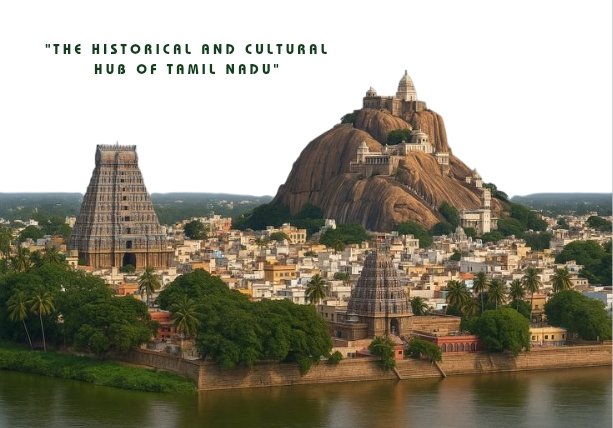
Thanjavur was the capital of the Cholas and was founded between the 10th and 11th centuries. It is home to the famous Brihadeeswara Temple, built by the Raja Raja Chola I. Thanks to the many arts that they promoted, it was once the cultural hub of the Cholas. Some of the places you will visit in Thanjavur include the Gangaikonda Cholapuram Temple, Periya Udayar Temple, Saraswati Mahal Library, Maratha Palace, and Airavateswara Temple.
Mysore
Mysore is the cultural capital of Karnataka and home to temples, palaces, wildlife, handicrafts, and delectable cuisine. The city was founded in the 14th century by Yaduraya. It was ruled by the Wodiyars until it was taken over by Hyder Ali and his son, Tipu Sultan. Some of the places you will visit in Mysore include Mysore Palace, Brindavan Gardens, Somanathapura Temple, Mysore Zoo, and the Chamundi Hills.
Hampi
This beautiful city was once the capital of the Vijayanagara Empire and the centre of art and culture. Hampi was founded in the 14th century by brothers Harihara and Bukka of the Sangama Dynasty. The Vijayanagara kings ruled Hampi for the longest time, transforming it into a heritage city by building temples, grand palaces, and giant monoliths. Some of the places you can see in Hampi include the Virupaksha Temple, the Pattabirama Temple, the Elephant Stables, and the Hampi Bazaar.
Unique Art Forms
With South India being the centre of culture and history, it is no surprise that the region is home to several unique art forms – some of which are over 2000 years old. The Thanjavur painting style originated around the 17th century. Kalaripayattu is probably the oldest survival martial art form and is over 3000 years old.
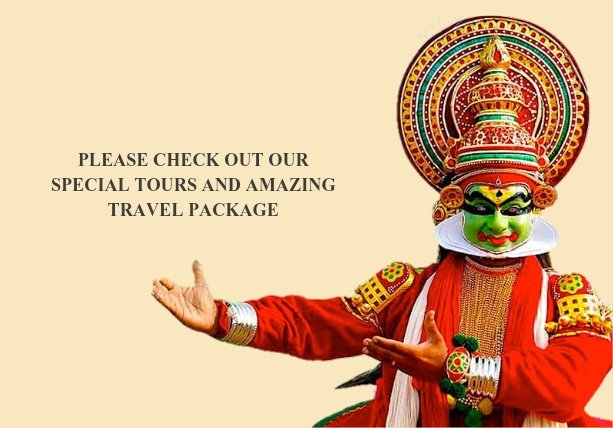
Kathakali, another art form, originated in the 16th and 17th centuries but has its origins in the centuries-old traditional art form of Ramanattam and Krishnattam when artists performed dance drama inspired by stories from the Ramayana and Mahabharata.
Kuchipudi, a popular dance form in Andhra and Telangana is inspired by Vaishnavism and probably originated in the 17th century.
Kalamkari is another traditional art form from Andhra and Telangana. This ancient art could easily be over 3000 years old when artists painted scenes from the Ramayana and Mahabharata in temples. Artists from Mahabalipuram and Myladi (Kanyakumari) are famous for stone sculpture while Thanjavur is famous for its bronze statues. The latter is also famed for veena making.
There's also a wealth of folk art and dance forms that are rooted in the culture and traditions of a community or region. Some of the popular indigenous folk arts include theyyam, koothu, pulikali, thiruvadhirakali, chavittunadakam, and seetakali from Kerala, mayillattam, oyillattam, karakkatam from Tamil Nadu, Yakshagana and Chowdikemele froom Karnataka, and kolattam, harikatha, lambadi from Andhra and Telangana.
The art forms are also reflected through the handicrafts: silk sarees from Kancheepuram and Dharmavaram, Ikkat work from Pochampally, cotton handloom sarees from Chettinadu and Venkatagiri, and the kasavu sarees from Kerala.
The Five States Of South India
While it's a common prejudice to group all the South Indian states under a single umbrella, each of the five states is as different as they can be regarding geography, history, culture, languages, and even ideologies. Here's a quick rundown of the various states to help you choose South India tour packages.
Kerala
Dubbed God's Own Country, Kerala is a beautiful paradise loved for its beaches, lush green hills, backwaters, and abundant wildlife. Thanks to its natural beauty and cultural heritage, it's no surprise that tourism is key to the state's economy. Some key attractions in Kerala include
- Backwaters: The backwaters of Alleppey, Kumarakom, Kozhikode, Kollam, and Kuttanad draw tourists from across the world. You can spend your vacation aboard a houseboat as it glides through the many canals, lakes, rivers, lagoons, and inlets of Kerala, showcasing the life of the people living on its shores. And to make it even more memorable, a private chef on board will present a delectable feast of local cuisine served aptly on a banana leaf.
- Ayurveda Spa: This ancient system of medicine was originally practised in Kerala. It focuses on holistic healing and general wellness. Kerala is home to many Ayurveda health centres and hospitals, the oldest being the Arya Vaidya Sala in Kottakkal, founded in 1902. Millions of people have been visiting these health centres for relief from various ailments, including asthma, arthritis, skin disorders, digestive issues, and nerve disorders. Ayurveda focuses on maintaining balance and harmony within the body, mind, and spirit, lowering stress, improving digestion, and fortifying the immune system – key indicators of good health.
- Hill Stations: A trip to Kerala is incomplete without a visit to the picturesque hill stations along the many mountain peaks of the Western Ghats. Munnar, Vagamon, Ponmudi, Wayanad, Nelliyampathy, and Thekkady are famous destinations in our Kerala tour packages. You must visit them to experience verdant mountains, green valleys, dense shola forests, and flower-filled meadows.
- Beautiful Beaches: Kerala is home to several picturesque beaches offering a safe and relaxing haven. Some famous beach resorts in Kerala include Kovalam, Varkala, Kappad, Kozhikode, Kochi, and Kannur.
- Cultural Experiences: Kerala's ancient spice trade with historical civilisations in Asia, Africa, and Europe has helped shape the state's culture and heritage. This influence has permeated its festivals, traditions, and art and dance forms. Every year, millions of tourists descend to Kerala to witness some of its spectacular festivals, like the 10-day Onam celebrations, the Thrissur Pooram, and the Boat Races held across the state.
Must Visit Cities In Kerala With Our South India Tour Packages
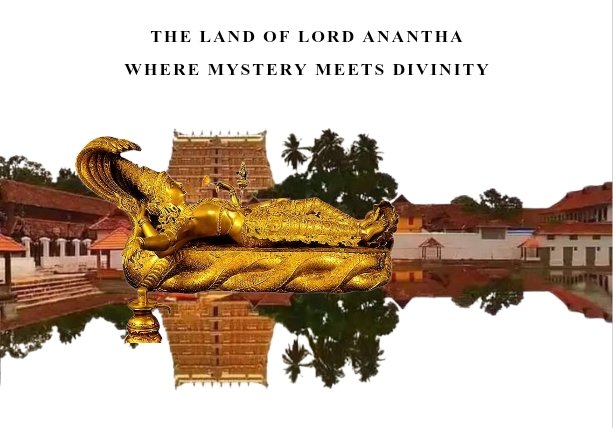
- Thiruvananthapuram: Kerala's state capital is home to the world's richest deity, Lord Ananthapadmanabhaswamy. It was once the capital of the erstwhile Travancore kingdom and is famous for its beaches, handicrafts, and cultural heritage. You will visit Thiruvananthapuram Zoo, Kovalam, and Kowdiar Palace.
- Kochi: This city is home to an ancient spice market. Some popular tourist attractions in Kochi include Mattancherry Palace, Chinese Fishing Nets, Chottanikara, and Cherai Beach.
- Thrissur: This is Kerala's cultural capital and the land of the Poorams. Thrissur is famous for its temples, churches, and mosques. Some famous landmarks include the Vadakkunnathan, Athirapally, and Guruvayoor temples.
- Alappuzha: Alleppey, or Alappuzha, is famous for its backwaters and is often described as the Venice of the East. Some popular attractions in the city include the Mannarsala Nagaraja Temple, Sri Krishna Swamy Temple, and the Marari Beach.
Tamil Nadu
Tamil Nadu is the 2nd largest economy in India and the most industrialised state in the country. But the state is home to an ancient civilisation dating back at least 3800 years. In fact, Tamil is the oldest continuously spoken language and is considered a classical language on par with Latin, Greek, and Hebrew. The state is nicknamed Land of Temples thanks to the 40,000 temples, including some ancient temples over 3000 years old. Some of the key attractions in the state include:
- Ancient Temples: Tamil Nadu is home to several Dravidian-style temples built over 2000 years ago by dynasties like the Pandyas, Cholas, and the Pallavas. Thankfully, many of these temples were saved from Muslim invaders and remain intact. Some famous temples include Meenakshi Amman Temple, Ramanathaswamy Temple, Brihadeeswara Temple, Airavateeshwara Temple, and the Ranganathaswamy Temple.
- Hill Stations: Thanks to the Western Ghats, Tamil Nadu is home to several hill stations that were once the summer retreat of the British. These are also home to tea and spice plantations and several botanical gardens. Some famous hill stations in the state include Ooty, Kodaikanal, Yercaud, Valparai, Coonoor, and Yelagiri.
- Beaches: There are plenty of coastal cities that are home to world-famous beaches, including the world's second-longest beach, Marina. Some other popular beach cities include Kanyakumari, Chennai, and Mahabalipuram.
- Festivals: With such a rich culture and civilisation, it's no surprise that Tamil Nadu is considered a land of festivals. Some popular celebrations include Pongal, Thirukarthigai, Puthandu, Thaipoosam, and the Chennai Music Festival.
Most Visited Cities In Tamil Nadu
- Madurai: This ancient city on the banks of the Vaigai River is famous for its Meenakshi Amman Temple and the Alagar Kovil. In addition to the temples in the town, you can visit the Thirumalai Nayak Palace and Samanar Hills.
- Thanjavur: This ancient city was the capital of the Cholas and home to several ancient temples, including the Brihadeeswara Temple. Some popular places in our Tamil Nadu tour packages include Saraswati Mahal, Thanjavur Maratha Palace, and Darasuram Temple.
- Rameshwaram: This is one of the holiest cities and is even mentioned in the Ramayana when Lord Rama performed a puja to Lord Shiva to absolve himself of the sin of killing Ravana, a Brahmin. It is believed that the sand Shiva linga installed by Lord Rama still stands today. The Ramanathaswamy Temple is considered one of the char dhams that Hindus must visit to absolve themselves of their karma.
- Chennai: This is Tamil Nadu's capital city and is famous for its splendid coastline. The city's colonial heritage has also left its mark through its buildings and heritage churches. Some places you must visit in Chennai include San Thome Cathedral, Fort St George, Marina Beach, and the Kapaaleshwarar Temple.
Karnataka
With a recorded history of over 2000 years, Karnataka boasts of an ancient civilisation and was ruled by several dynasties like the Nandas, Mauryas, Chalukyas, and Satvahanas, and is home to the Vijayanagara Empire. Karnataka's beautiful landscape ranges from the Western Ghats that run through the districts of Chikmagalur, Shimoga, and Hassan to the coastal cities of Udipi, Karwar, Mangaluru, and Gokarna, and the Deccan cities like Hampi, Gulbarga, and Bijapur. Some of the popular attractions covered in our Karnataka tour packages include:
- Heritage Sites: Karnataka is home to four UNESCO World Heritage Sites. The majestic town of Hampi is full of ancient temples, palaces, and elephant stables and was once the capital city of the mighty Vijayanagara Empire. Other equally magnificent heritage sites include the Pattadakal monuments of the Chalukya Dynasty, the Hoysala Temples in Belur and Halebidu, and the Western Ghats. Karnataka is also home to the world's biggest monolith statue of Jain
- Hill Stations: With the Western Ghats running along the western side of the state, it's no surprise that it is home to several hill stations. Some of these are famous for coffee, tea, and spice production. Popular places covered in our Karnataka tour packages include Coorg, Agumbe, Chikmagalur, Sakleshpur, Kabini, and the Nandi Hills.
- Beautiful Coastline: The Western Ghats run parallel to the western coast of India, crossing the coastal cities of Karwar, Gokarna, Mangaluru, and Udipi. Known as the Karavali Coast, the region has several quaint beaches with scenic landscapes and delectable cuisine. Some popular beaches in the state include Kudle Beach, Om Beach, Devabhag Beach, and Maravanthe Beach.
Most Visited Cities In Karnataka With Our South India Tour Packages
- Bengaluru: Karnataka's capital city is also called Garden City, thanks to the multiple green spaces, gardens, and parks. Bengaluru's temperate climate makes it ideal for foreign investors to establish tech hubs in the city. No wonder the city is also called the Silicon Valley of India. Some of the attractions in Bengaluru include Lalbaugh, ISKON Temple, Bengaluru Palace.
- Mysore: Mysore is the second-largest city in Karnataka and is often recognised as the cleanest city in India. Thanks to its beautiful architecture and rich history, it is often called the cultural capital. The Wodeyars, who ruled the city for a major part, were patrons of art and established parks, museums, and zoos across the city. Some top attractions in Mysore include the Bannerghatta National Park, Mysore Zoo, Mysore Palace, Chamundeshwari Temple, and Bandipur Park.
- Mangaluru: With its exotic beaches, beautiful churches, and charming villages, Mangaluru is a paradise for travellers. The region is also famous for its coastal cuisine inspired by Tuluva and Konkani culture. Some things you must experience in the city include Bhuta kola, spirit worship, the Kambala, or buffalo race, and a visit to the Mangala Devi Temple.
- Udipi: Udipi is a coastal city famous for its 13th-century Krishna Temple and delectable cuisine. It is supposedly the birthplace of the renowned masala and rava dose. Some stories also claim that the dose was itself invented in the city during the 5th century. When in Udipi, you will visit Kapu Beach, Malpe Beach, the Kollur Moogambika Temple, and the Hasta Shilpa Heritage Village.
- Hampi: Hampi was once a prosperous city near the Tungabhadra River and the capital of the Vijayanagara Empire until the Muslim Sultanates destroyed it. Today, the only remains are the ruins of temples, palaces, and bazaars.
- Coorg: Kodagu District is part of Dakshina Kannada and a popular hill station. Besides the abundant wildlife, some of the tourist attractions in the city include Talacauvery, Abbey Falls, Irupu Falls, Nagarhole Sanctuary, and the Tibetan settlements.
Andhra Pradesh
Located in the southeastern corner of India, Andra Pradesh is revered for its rich heritage, history, coastal cities, and exquisite cuisine. The fertile regions around the Kaveri and Godavari river basins are often dubbed the Rice Bowl of India. Andhra Pradesh was ruled by the Satvahanas, Ikshvakus, Kakatiyas, Chalukyas, and the Vijayanagara kings. Some of the popular attractions you will cover with our South India tour packages include:
- Ancient Temples: Andhra Pradesh is home to the most iconic pilgrimage destination, the Shri Venkateshwara Temple. Srikalahasteeswara Temple, another temple dedicated to Lord Shiva, is considered a rahu-ketu sthalam and is of immense significance to Hindus. The Mallikarjuna Temple in Srisailam is another ancient temple dedicated to Lord Shiva. The Kanaka Durga and Kanipakam Vinayaka temples in Chittoor are equally famous and revered.
- Coastal Cities: Coastal Andhra Pradesh is mesmerising thanks to its sumptuous cuisine, spectacular temples, and pristine beaches. Call us to book a coastal Andhra Pradesh tour package. Visakhapatnam, or Vizag, is the most popular coastal city, with beaches like Yanam, Bheemili, and Rishikonda in and around the city.
- Cuisine: Andhra cuisine is arguably the hottest in India. But a typical Andhra bhojanam is equally tangy, spicy, and flavourful, with individual dishes varying from region to region. For instance, Rayalseema cuisine is very spicy, with dishes like Kadappa karam dosa and natu kodi pulusu (country chicken curry) being the crowd favourites. Kakinada cuisine emphasises seafood but is famous for its street food.
- Hill Stations: The Eastern Ghats, which run along the eastern coast of peninsular India, fall largely within Andhra Pradesh. Some hill stations you can visit in the state include Araku Valley, Papikondalu, Horsley Hills, Lambasingi, and Maredumilli. Some of these hill stations are famous for their coffee and pepper production. You can also try adventure activities like parasailing, hiking, and trekking.
Most Visited Cities in Andhra Pradesh With Our South India Tour Packages
- Tirupati: This popular pilgrimage city attracts over 24 million people annually, making it one of India's most visited temple cities. The main attraction is the Shri Venkateshwara Temple on the Tirumala Hills, followed by the Padmavathi Ammavari Temple in Tirupati. People believe that the presiding deity, Lord Venkateshwara, answers the prayers of his devotees, who, in return, fulfil their promise by offering their wealth and even their hair.
- Vijayawada: Vijayawada is undoubtedly the cultural capital of Andhra Pradesh and is famous for its temples, green vistas, historical attractions, and exciting natural attractions. Some places you will cover during your South India tour packages include Bhavani Island, Kondapalli Fort, Magalarajapuram Caves, and Mangalagiri Hill.
- Araku Valley: This is Andhra Pradesh's most popular hill station, situated around 100 km from Visakhapatnam. Located at an elevation of 3200 ft, Araku Valley is famous for its coffee plantations surrounded by lush green forests and beautiful waterfalls. Some interesting places you will visit along the Araku Valley include Borra Caves, Tyda, Katiki Falls, and the Anantagiri Hills.
- Visakhapatnam: The largest and most populous city of Andhra Pradesh is undoubtedly the most beautiful. Visakhapatnam is home to the oldest shipyard in India and is famous for its beaches and ancient Buddhist sites. Some places you will explore during your tour of this city include Yarada Beach, Rishikonda Beach, Bavikonda, and Thotlakonda.
- Amaravati: Amaravati is the capital city of Andhra Pradesh and home to the largest chilli market in Asia. The city was founded in the 3rd century BCE by the Satvahanas and has several ancient heritage monuments and temples. Some places you will visit in Amaravati include Kondapalli, Mangalagiri Narasimha Swamy Temple, and the Undavalli Caves.
Telangana
Telangana was recently formed as a 29th state and was carved out of Andhra Pradesh. Lying on the heartland of the Deccan Plateau, Telangana is an amazing blend of natural beauty and a rich history. Hyderabad, the state capital, carries a rich history and legacy of the Nizams. Some attractions you will explore in Telangana include:
- Historic Cities: Despite being a newly formed state, Telangana has always had a rich history and heritage. It was ruled by several dynasties, including the Satavahanas, Kakatiyas, and the Nizams. Hyderabad and Warangal are some of its oldest cities. Hyderabad, famously dubbed the City of Pearls, offers a perfect blend of history, culture, and interesting traditions. Warangal, another ancient city founded in the 12th century, is famous for its historic forts, temples, and wildlife sanctuaries.
- National Parks: Telangana is home to three national parks: Mahavir Harina Vanasthali National Park, Mrugavani National Park, and the Kasu Brahmananda Reddy National Park. There are several other wildlife sanctuaries that are home to several species of animals and plants endemic to the state. You must also check the many waterfalls in the state, viz., the Kuntala Falls, Pochera Falls, and the Sahastrakund Waterfalls.
- Cuisine: Telangana cuisine is influenced by its terrain and the Deccani Nizams, who ruled the region for hundreds of years. Most notable of all is the Hyderabadi Biryani. Other popular Telangana foods include haleem, kebab, and golichina mam sam. Unlike other South Indian states where rice dominates, Telangana cuisine is millets-based, ensuring an interesting menu.
Most Visited Cities In Telangana With Our South India Tour Packages
- Hyderabad: Hyderabad was founded over 400 years ago by the Sultan of the Qutb Shahi Dynasty. The entire city is built around the Charminar, which is also its oldest monument. The city is now famous for its bazaars surrounding the Charminar, selling various products, including pearls, bangles, handicrafts, and carpets. Some of the other attractions in Hyderabad include the Falaknuma Palace, Golconda Fort, Chowmahalla Palace, Purani Haveli
- Warangal: Warangal is one of the oldest cities in Telangana and one of the best heritage cities in India. It is home to the famous Warangal Fort, a 12th-century fort built by King Ganapati Deva. Other attractions in the city include the Thousand Pillar Temple, the Kakatiya Ramalingeshwar Temple, and the Mallikarjuna Swamy Temple.
- Nizamabad: This city was once called the City of Nizams, thanks to the Nizams of Hyderabad, who ruled Deccan in the 18th century. The town is famous for its beautiful architecture and culture, where people of different religions coexist peacefully. Some popular attractions in the city include the Pocharam Wildlife Sanctuary, Quilla Temple, Ali Sagar Reservoir, and the Sarangpur Hanuman Temple.
Pondicherry
The Union Territory of Puducherry was once a French colony and transferred to India in 1963. The territory is made up of four regions: Puducherry, Mahe, Karaikal, Mahe, and Yanam. Pondicherry is famous for its colonial buildings, pristine beaches, and cobblestoned paths. Some of the attractions included in our South India tour packages include:
- French Heritage: The French Quarter is Pondicherry's most charming attraction, with cobblestone pavements, yellow houses, and historic lanes lined with bougainvillaea trees. To experience the essence of this place, we suggest cycling along the clean streets, well-paved pathways, Victorian-era lamp posts, and quaint French cafes.
- Beaches: Unlike beaches in other states, Pondicherry is famous for its clean and picturesque beaches with long promenades. Promenade Beach, aka Rock Beach, is perfect for a leisurely stroll, while Paradise Beach is famous for adventure activities like kayaking, canoeing, and fishing. Serenity Beach is popular among locals for its cafes and guesthouses. Visit Auroville Beach for its picturesque landscape. But if you want to sample local seafood, check out Reppo Beach.
- Aurobindo Ashram: A visit to Pondicherry is incomplete without checking out the Aurobindo Ashram. The ashram offers several facilities, including an art gallery, bakery, dairy, and guest houses. You can also visit Auroville, a unique city famous for promoting sustainable and harmonious living.
- Temples: A few temples and churches in Pondicherry are famed for their beautiful architecture. The Manakula Vinayagar Temple is very popular and dedicated to Lord Ganesha. The Basilica of the Sacred Heart of Jesus is famous for its stained glass windows and ornate Baroque architecture.